
Jay Doscher
Recovery Kit Retrospective
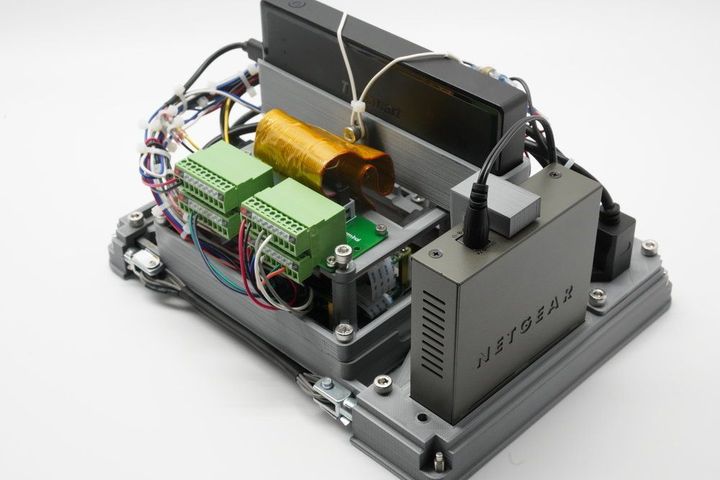
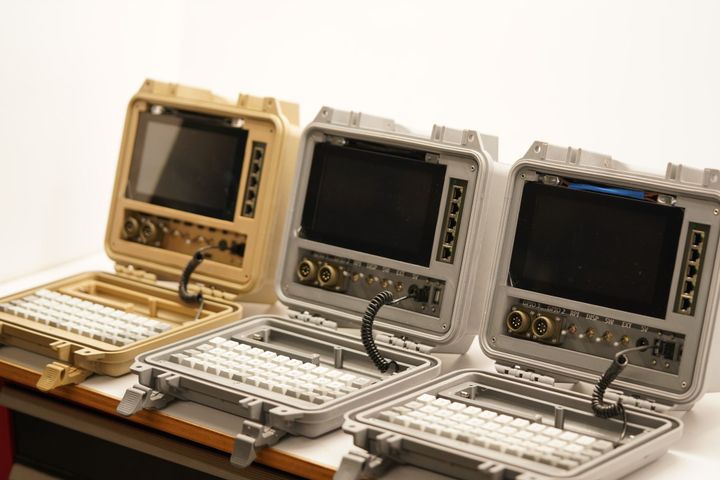
In celebration of all the new subscribers, I thought I'd share some behind the scenes photos of 2019 and 2020 from the build of the original Raspberry Pi Recovery Kit, including some commissioned builds. Future projects will be shared like this for paid subscribers, but don't
An update on subscriptions
As I re-launch back7.co as doscher.com, I want to highlight the move to focus on subscriptions. I think we all can understand that social media platforms are increasingly focusing on ads and decreasing income to creators. My move to subscriptions has 3 tiers:
* Email/Free subscriptions are
the Metal Kit
The idea for this build is simple- make a portable Raspberry Pi-based computer that is rugged, simple, and good looking. There are no 3D printed parts, instead I use Send Cut Send for laser cutting and powder coating the two aluminum parts. I also had a Sixfab Raspberry Pi
the Field Unit 2
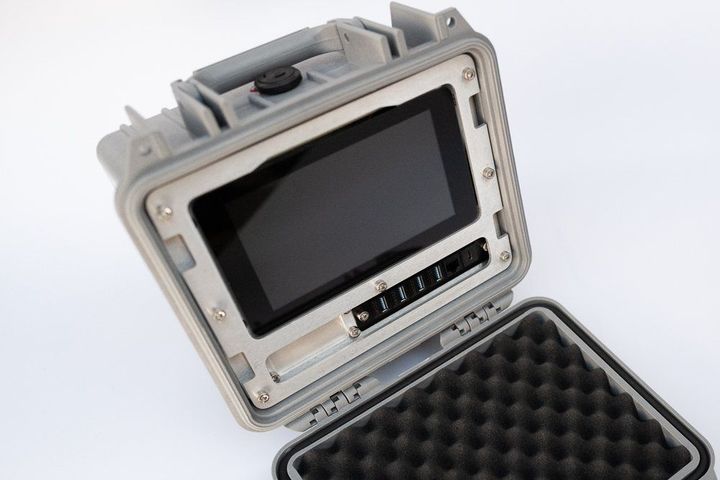
Based on feedback and nearly constant refinement over the last 2+ years, I am excited to present the Field Unit 2. The build process is simpler than ever, with several key improvements over previous builds around the Pelican case product line.
Return to the Pelican 1300
While the Quick Kit
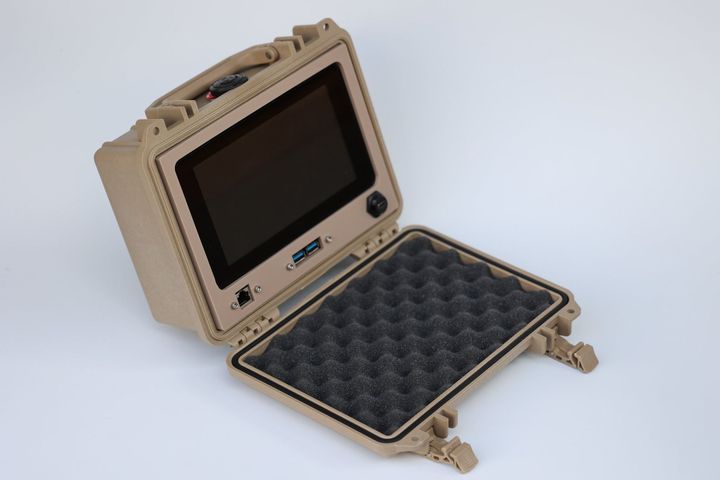
the Tough Kit
Designing parts during the pandemic has been fun- but what’s been missing is actually getting outdoors. Even though things are starting to cool off, I’m thinking ahead to getting back outside. As I continue to evolve my original ideas around the Recovery Kit and the original Quick Kit,
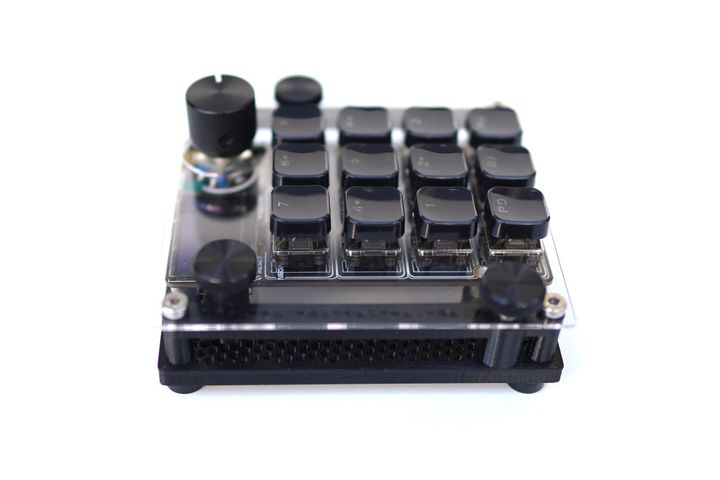
the Utility Pad
I don’t make any attempt to hide that I’m frequently jumping between platforms. This can be iOS/Android (with a constant curiosity about PinePhone), but also between Linux, MacOS, and Windows. One of the challenges is that there’s frequently a tool or feature that is great on